top of page

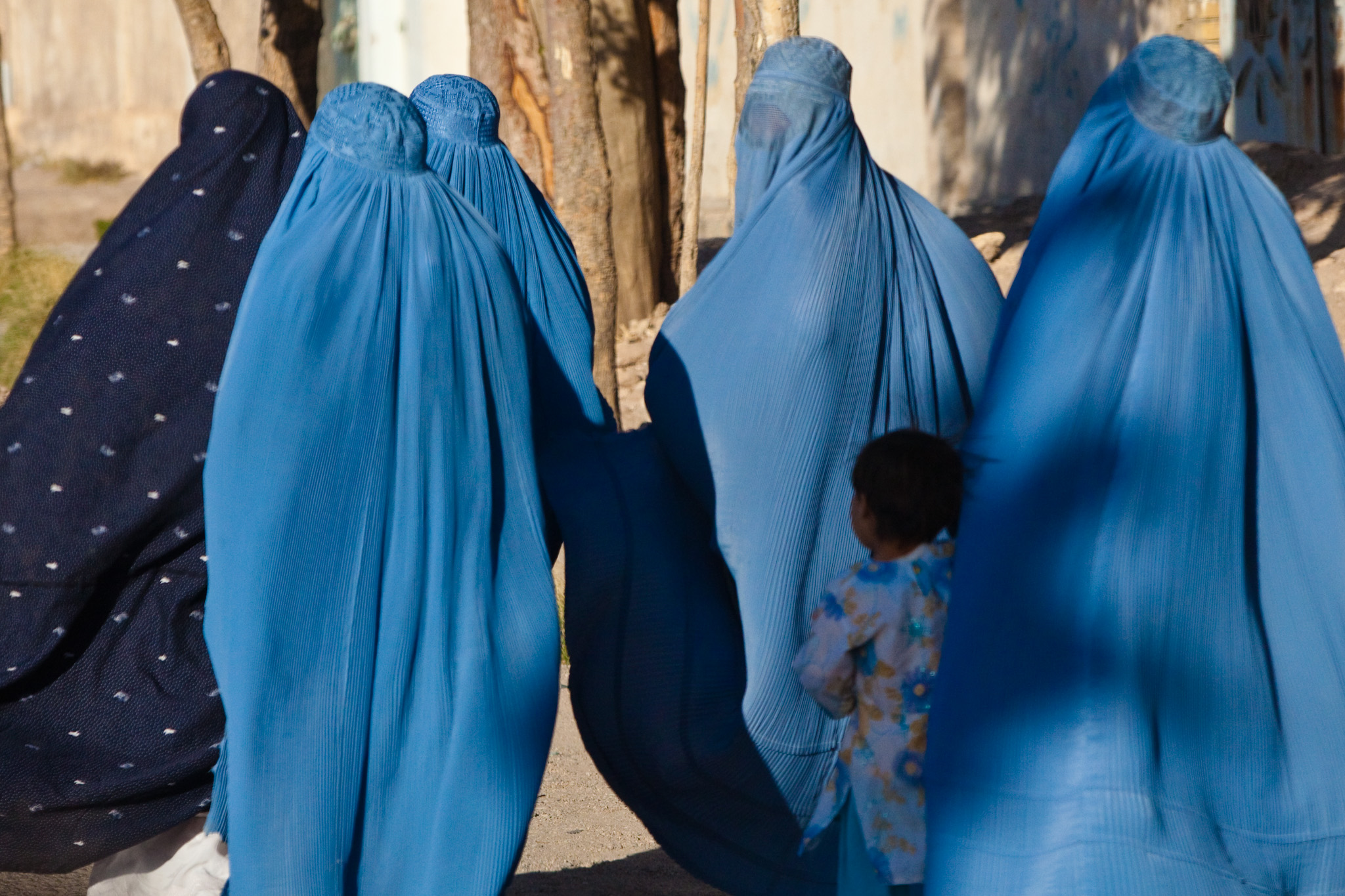
File photo: Marius Arnesen / Wikimedia Commons / CC BY-SA 2.0
Refusing Marriage for Tribal Women Means Breaking Traditions
January 29, 2025
Muhammad Jawad - Pakistan
Why are our traditions and customs only limited to women?
We, Pashtun tribals women, consider the preservation of our traditions and customs to be part of our faith, but there are some traditions where women face a lot of injustice. One of these is the custom of "Sware." In this tradition, when children are newly born or are still very young, their families arrange their marriage, which in 85% of cases is arranged within the family. This usually involves cousins, maternal cousins, and other relatives. When these children grow up and gain awareness, they are told that their marriage was arranged for them in childhood. This news is distressing for both the boy and the girl.
In Afghanistan and Pakistan tribal customs, refusal of marriage is considered almost impossible and is seen as rebellion against tradition and custom. This notion does not exist in these communities, and families do not allow their children to refuse this bond. As a result, very often, for the sake of family traditions, honor, and dignity, marriages are arranged against the will of women.
Jamila, an Afghan woman resident Peshawar, Pakistan, who is originally from Kandahar, says, "I was married off in my adolescence and faced many difficulties. When I was 17, I got married. Three years later, my husband married another woman. I have a daughter and I am displaced with my husband." Jamila says that despite these problems, she tries to make her life better. She works for a better future for her daughter and wants her to have the potential for a good future. For her, this journey was very difficult, but her courage and determination have kept her strong.
Fajr Bibi, who is from the Gulbahar area of Peshawar, had her marriage arranged during her childhood. She said, "When I was born, my father arranged my marriage to my cousin. She said that such forced marriages rarely succeed. The observation is that in most of these marriages, the married life faces difficulties. They live together out of necessity. Marriage should be a life of harmony and happiness, but in these coercive marriages, the situation is different. Small disagreements begin. To escape these daily struggles, men have the option of second, third, and fourth marriages to make their lives happy, but all avenues are closed to women. If a woman divorces, the thought of what people will say prevents her from taking that step, and her family also creates barriers. She said that even obtaining permission for a second marriage is not a common thing; it is another painful stage where women are deprived of their rights. How long will we remain trapped in the web of these traditions and customs? Why is punishment only for women? Will we follow only traditions and customs, or will we also implement the teachings of Islam, ensuring the full consent of both parties, which is essential in marriage?"
Why can’t tribal women marry of their own choice?
Tribal girls face countless difficulties when it comes to marriage. Here, a girl's marriage is decided only by the father or the head of the household. A daughter feels like a mere possession. Wherever the father decides to arrange the marriage, the daughter must accept it in any case, as refusal is considered rebellion against tradition. The girl is not consulted beforehand, and even if she is asked, it is at a stage when most of the decision has already been made. The question is asked only to hear a "yes."
Child marriage was also common, but this custom is slowly declining. However, child marriages still occur, leading to depression, sexual diseases, and weak offspring. I know of many such cases involving tribal girls, especially in relation to marriage.
Some cases have been shared by local women on the condition of anonymity.
In the Khyber district of Pakistan, a girl requested to marry of her own choice, which caused an uproar in her home. Her father was furious about this decision and began threatening her in various ways. Faced with mental torture, he tried every possible means to stop his daughter from making this decision, but the girl stood firm on her right to choose. On the other hand, the boy also repeatedly requested the marriage, and several gatherings were held among the family elders. The girl’s father disowned her and, without any traditional customs or ceremonies, handed her over to the boy's family. Surprisingly, there was no flaw or defect in the boy that would justify rejection; the real issue was the father’s refusal to accept the girl’s right to choose, which he was unwilling to accept under any circumstances. This incident shows how tribal and societal customs, under pressure, lead parents to disregard the happiness of their children.
A girl from Kandahar had her marriage forcibly arranged with her uncle’s son. The girl strongly objected to this decision, but her family silenced her with the reasoning that everything would be fine after the marriage. However, after the marriage, her life became even worse. In tribal areas, marriage is considered such a binding contract that it is seen as impossible to break. The girl grew weary of these circumstances and attempted suicide several times. On one occasion, she tried to end her life by electrocution, but each time, her life was saved. Her husband remarried, and the torment she endured intensified. He neither gives her a divorce, nor is the girl allowed to seek khula, as the concept of khula does not exist in tribal areas. These agonizing circumstances have worsened the girl’s mental state, and she is now half-mad.
A female social worker from Khyber District, Pakistan, said that in tribal areas, women are not considered entitled to inheritance and property. The reason for this is the traditional customs of these regions, according to which a person from another tribe cannot be given a share of the property. Since a woman can marry someone from another tribe, giving her a share of property is considered against tribal customs. The issue of inheritance is a very sensitive and overlooked topic in women’s struggles, and little is said about it. Islam clearly gives women half the share of inheritance that men receive, but this right is not recognized here. In these tribal areas, this is a sensitive and neglected issue, which requires significant attention so that women can be given their basic rights.
bottom of page