
Five Years of the Taliban’s Gender Apartheid; The Dire Lives of Women and Minorities
- Ariahn Raya
- 22 hours ago
- 7 min read

From 15 August 2021 until today, five years have passed since the Taliban halted the normal lives of ethnic and religious minorities, women and men through their decrees.
Five years ago, on 15 August 2021, when the Taliban entered Kabul and took control of Afghanistan’s capital, a new chapter began in the country’s history, a chapter that, for millions of Afghan women and girls, brought the closure of educational institutions, reduced employment opportunities, greater control over their personal lives and a decline in their participation in society.
The Taliban’s entry into Kabul was not only the end of a political system. For many Afghan women, it marked the beginning of a period in which many of the rights and freedoms they had gained over the years were restricted one after another.
Women who had previously been present in universities, government offices, media organisations, businesses and social institutions gradually faced decrees that pushed them out of large parts of public life.
Five years after that day, Afghan women’s accounts of life under Taliban rule portray a society in which many women say not only their opportunities, but also their hopes for the future, have been damaged.
This Zan News report is based on accounts and direct interviews with a number of women and citizens.

A Generation Trapped Behind the Doors of Education
One of the Taliban’s first and most widespread restrictions was depriving girls of education. Thousands of schoolgirls and university students who had plans for their futures were suddenly prevented from continuing their education.
Mursal Maryama, an engineering student at Kabul University, is one of these girls. She was only one semester away from completing her studies when the Taliban left her waiting for five years, and her future, like that of millions of other girls, remains uncertain.
Mursal told Zan News: “When the Taliban took political power in Afghanistan, it marked a dark day for women and girls. They confined us to our homes and took away our rights. They closed university doors several times under different pretexts until this policy was permanently enforced and we were confined to our homes.”
She continued: “I dreamed of becoming an engineer, but I had only my final semester left to complete my fourth year. The Taliban took this chance away from me forever.”
For Mursal, university was not merely a place of education. It represented a future she had worked for years to achieve.
Depriving women of education is not merely an educational decision, but one whose consequences will remain with Afghanistan’s economy, society and future generations.

Life Under the Taliban’s Compulsory and Imposed Dress Code
Alongside restrictions on education, the Taliban’s policies on women’s clothing have also transformed their presence in public spaces.
Some women say they have faced harsh treatment because of the way they dress, the absence of a mahram, or the way they appear in society.
Rabia, a woman who still sees herself as a prisoner after being released from prison.
She is one of the women interviewed in Herat and says she was arrested while going to the market.
Rabia said: “When I left home alone to shop at Herat’s Lailami market, the vice and virtue authorities arrested me and then took me to prison. I spent 16 days in prison. When my father provided a guarantee and signed an undertaking, the Taliban released me.”
Rabia says her release from prison did not end the pressure: “In reality, my imprisonment began when the Taliban released me from prison. People in society looked at me negatively. I felt that I had lost my dignity and peace of mind.”
Karima, Arrested Because of the Clothes She Was Wearing
Karima also recounts that she was arrested while shopping for a sewing machine.
She said: “Because I was wearing a manteau and went looking for a sewing machine, the Taliban arrested me. They said I had spoken to a non-mahram man. When the case became serious, they made accusations against me that were not true. The Taliban said they had arrested me while committing adultery. I remained in prison again, and every day the Taliban themselves raped me. At night, they would take women and girls out of prison and rape them.”
In a System Built on Fear, Women Are Condemned Before They Can Defend Themselves
Restrictions on women have not been limited to their social participation. Some women say these restrictions have also made it difficult for them to access health services, even in emergencies.
Sabriya, one of the women interviewed in Herat, recounts how she faced an obstacle while trying to save her child during a critical moment.
She told Zan News: “My child was dying in my arms. After passing through heavy traffic, I reached Herat Regional Hospital by rickshaw. My child was struggling to breathe. I could see my child dying, but the Taliban did not allow me to take the child into the hospital.”
Sabriya added: “In the end, I borrowed a burqa from another woman so I could take my child into the hospital. My child was taking their final breaths. May God bless that woman who helped me. I was able to save my child.”
She said: “The Taliban watched my child dying, but because I was wearing a manteau, they would not allow me to enter.”
This account raises serious questions about the impact of restrictions on women’s clothing on their access to essential services, particularly during medical emergencies.
Excluding Women from the Economy and Forcing Them into Sex Work
After restrictions on education, excluding women from many areas of employment was another major change in Afghanistan.
Thousands of women lost their jobs, including women who supported their families financially and had economic independence.
Najiba, a former employee of a government office in Balkh, said: “I worked in a government office in Balkh. When the Taliban removed us from our jobs, I was forced to work in people’s homes, but this work was not available every day. To feed my six children, I had to beg on the streets. The Taliban arrested women beggars and children. After I was released, I had no other option and was forced to do something no human being wants to do…”
She continued in a tearful voice: “I was forced into sex work, with anyone and anywhere. Even Taliban employees have found out about my situation and come to the door of my old house at night. I do this in exchange for 100 to 500 afghanis.”
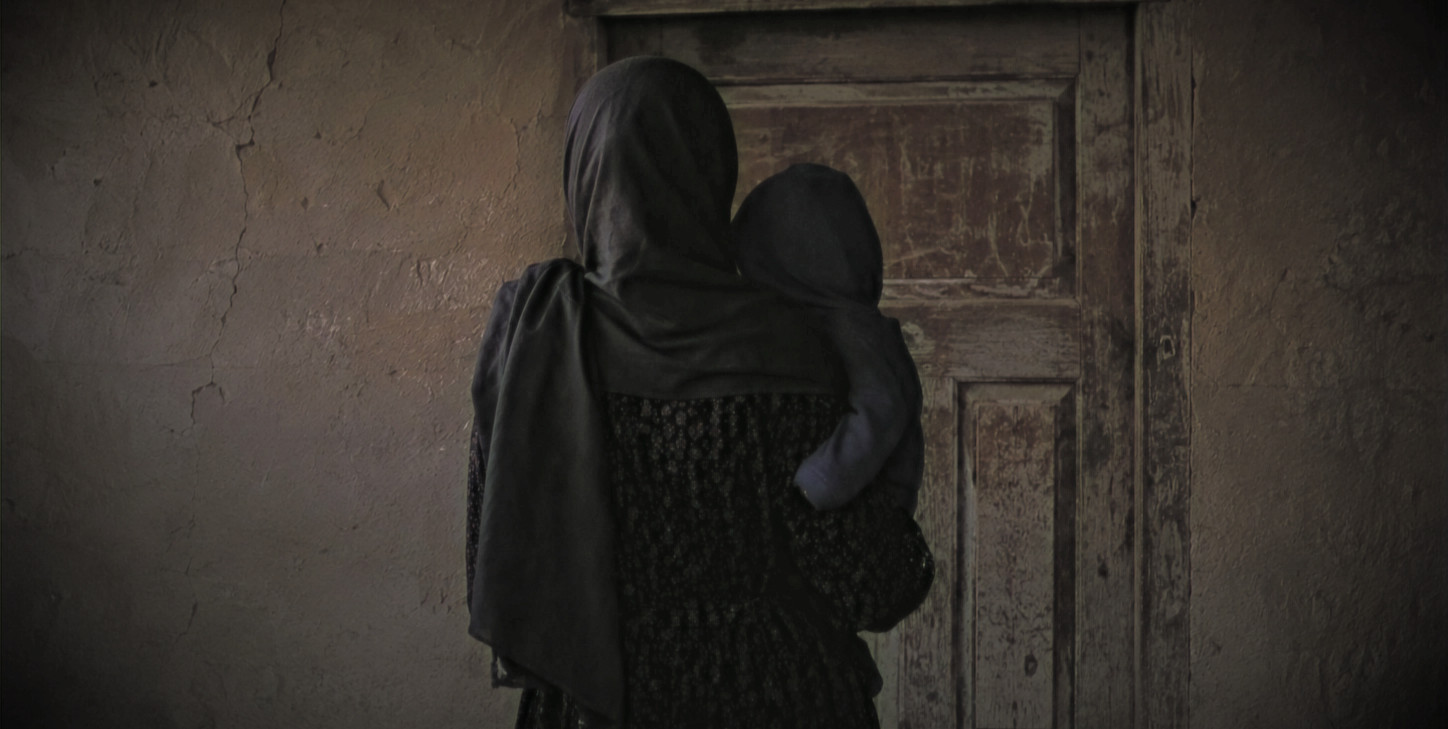
Accounts of Fear, Vulnerability and Concerns About Women’s Safety
Alongside official restrictions that have pushed women away from education, work and free participation in society, some Afghan women describe experiences that they believe reflect growing feelings of insecurity and vulnerability among women.
Shafiqa, one of the women interviewed in Herat, describes the situation of widowed and unsupported women in accounts that reflect her concerns about the lack of protection and autonomy for women.
She told Zan News: “The Taliban have gathered more than 130 widowed and unsupported women and girls in Herat and are keeping them in a camp along the 64-Metre Road. This is not to help us. We feel that control over our lives has been taken away from us. The Taliban exploit us.”
Shafiqa claimed: “When Taliban members come from other provinces to work in Herat, they visit these places and pressure women without allowing them to choose for themselves. They either marry them themselves or force them into vehicles and take them away. I have been pressured more than ten times so far, meaning I have had ten husbands so far who were members of the Taliban.”
She said: “In the Taliban’s view, a woman is a tool, while a woman should be a human being with the right to choose and with dignity. But many women feel that others now make decisions about their lives.”
Religious Minorities Under the Taliban’s Decrees
Afghanistan is a society with ethnic, religious and cultural diversity, but since the Taliban’s return, some followers of religious minorities have expressed concern about restrictions on their religious and cultural activities.
Ali Asghar, a Shia religious scholar, says restrictions on Shia religious activities have increased.
He told Zan News: “The Taliban do not allow our religious ceremonies to be held properly. They pulled down the flags used for Ashura ceremonies and trampled on them, banned the teaching of Shia religious books in mosques and educational centres, and even removed books from libraries and bookshops.”
Ali Asghar added: “The Taliban do not only have a problem with our religion, but with every religious minority that thinks differently. Religious freedom has meaning when all citizens can maintain their beliefs without fear.”
Critics of Taliban policies say restrictions on religious freedoms, alongside widespread restrictions against women, have further narrowed Afghanistan’s civic space.
Five Years After 15 August: Afghanistan and an Uncertain Future
For many Afghans, 15 August 2021 is not merely a political date. It is a point that changed the course of millions of lives.
For Mursal, the date is a reminder of a dream left unfinished, the dream of becoming an engineer.
For Rabia and Karima, it is a reminder of days that, according to them, were marked by fear of arrest and social judgement.
For Najiba, it is a reminder of the day she lost her economic independence, faced serious difficulties in supporting her children and was forced into sex work.
For Sabriya, it is a reminder of a moment when, she says, saving her child’s life was obstructed because of restrictions related to clothing.
And for Ali Asghar, it represents concern about the future of religious freedoms in Afghanistan.
Five years after the Taliban’s return, the issue is not merely a change of government, but a question about the future of a society in which half the population, women, say they have been deprived of many social opportunities and rights.
Afghanistan today faces a major question:
Can a society in which women are deprived of education, work and equal participation move towards stability and development?


