
UN: Middle East Tensions Increase Food Insecurity Risks for Women

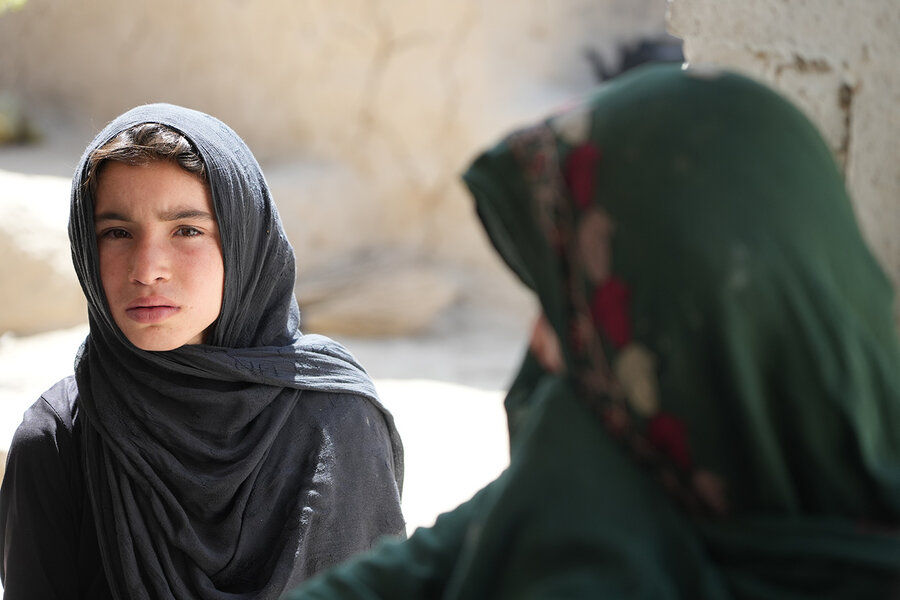
UN Women says escalating tensions in the Middle East could leave millions more women and girls in vulnerable countries facing food insecurity by the end of 2026.
According to the organisation, Afghanistan is among the countries where women and girls make up a large proportion of those who could face food insecurity as a result of the crisis.
According to its latest analysis, an additional 11.7 million women and girls across 28 countries could face food insecurity by the end of 2026. In Afghanistan, women and girls account for around 60 per cent of those who could experience food insecurity as a result of the crisis.
UN Women said disruptions to the movement of goods through the Strait of Hormuz, along with rising energy, fertiliser and transport costs, have driven up food prices and placed additional pressure on humanitarian operations, labour markets and household incomes.
The report also shows that around 95 per cent of women in Afghanistan and Yemen are outside the labour force.
In Afghanistan, Burkina Faso, Ethiopia, Haiti, Mali and South Sudan, more than 80 per cent of employed women are also working in vulnerable employment.
UN Women warned that rising food prices and falling incomes could further expose women to malnutrition and economic dependence, and called for increased food, cash and livelihood support for women and girls.
The warning comes as Afghanistan continues to face one of the world’s most severe hunger and malnutrition crises following the Taliban’s return to power.
The World Food Programme says that in 2026, around 13.8 million people, nearly one-third of Afghanistan’s population, are facing acute food insecurity, while around 4.9 million women and children require treatment for malnutrition.


